

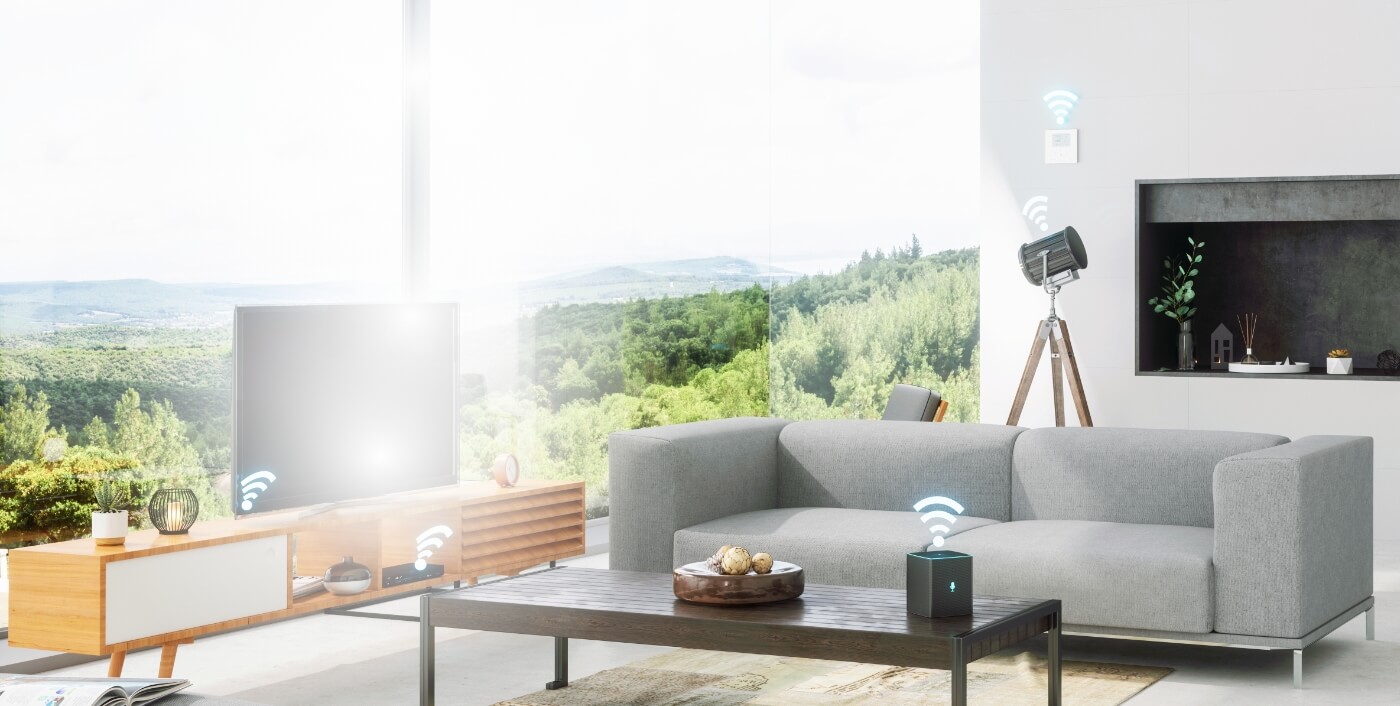

Technology has quietly slipped into daily life. More homes now look for ways to make living spaces quicker to respond, safer, and more efficient. In Singapore, the trend towards connected living is gaining momentum. People want homes that bend to their routines, not the other way around. The tools out there today go far past simple gadgets. A home smart system now forms the base of many homes, tying together lights, security, and energy use into one smooth setup. This way turns a house into a space that truly serves those inside it.
The push toward smarter living comes from many sides. The government plans to build a Smart Nation to boost the use of digital tools. People also want more say over energy costs and home safety. The tech itself has grown easier to use and less costly. Let us walk through the key trends shaping smart homes in Singapore this year.
Smart Meters Open Doors to Smarter Energy Use
The country-wide roll-out of high-tech electricity meters marks a big shift for homes. By early 2026, more than 80 per cent of homes will already have these devices set up. These meters track energy use in half-hour chunks, giving families a clear look at their usage patterns. This data helps people shift high-energy tasks like laundry or air-con use to times when electricity costs less.
- Track usage in real time. The meter sends data straight to a mobile app every half hour. Users can see exactly when they use the most power. This view helps them spot waste and make quick changes.
- Pair with time-of-use plans. Several electricity sellers now offer plans with lower rates during off-peak hours. Families can shift heavy tasks to these times. This move cuts bills without reducing overall use.
- Spot trends over weeks and months. The app stores past data for easy viewing. Users can compare this month to last month. This long view helps build habits that stick.
Several electricity sellers now offer time-of-use plans that work well with these meters. These plans charge lower rates during off-peak hours. A smart electricity meter makes it easy to see the effect of these changes. Users can check their usage on a mobile app and tweak habits as needed.
Entry Systems That Know Who Comes and Goes
Doorbells and intercoms have grown far past simple buzzers. New systems use cameras, motion sensors, and two-way sound to let residents see and speak with visitors from anywhere. Wireless models now lead new setups, with Wi-Fi-ready units taking over 65 per cent of the market.
Facial recognition and AI-driven visitor spotting are becoming common add-ons. These tools can tell a regular guest from a stranger. For those in flats, a smart intercom system often links straight to a mobile phone. Residents can let delivery folks in without needing to be home. Data privacy remains a key focus, with providers making sure they follow local rules.
Locks That Respond to Your Presence
The way people secure their homes is shifting fast. Old keys are giving way to digital entryways. The smart lock in Singapore market continues to grow, with more homes picking these devices for their main doors. New models use finger scans, passcodes, and even face ID. Some high-end types now have ultra-wideband tech, which spots when an allowed user comes near and unlocks on its own.
- Unlock without lifting a finger. The lock senses your phone as you walk toward the door. It knows which way you are moving, so it only opens when you arrive from outside. No more fumbling for keys or waiting to scan a finger.
- Grant access from anywhere. Need to let in a guest or a repair person? Send a time-limited code straight to their phone. They can enter once, and the code stops working after that. This keeps your home safe while still providing access when needed.
- Keep track of who comes and goes. The app logs every time the lock opens and who used which method. Parents can see when kids get home from school. This record adds peace of mind and helps spot anything out of the ordinary.
This hands-free feel removes the need to dig for keys. The lock senses which way someone moves, making sure it only unlocks when a person arrives from outside. Battery life has also got better, with many locks lasting months on one charge.
| Type | Key Trend for 2026 | Gain for Users |
| Smart Electricity Meters | Time-of-use pricing tie-in | Lower bills by shifting use to off-peak hours |
| Smart Intercom Systems | AI-based face ID | Better safety with guest spotting |
| Smart Locks | Ultra-wideband hands-free entry | Easy, safe access without keys |
| Remote Control Lighting | Voice- and app-based auto control | Power savings and custom room feels |
Lighting That Adjusts to Your Day
Light control has moved well past simple switches. Remote control lighting now forms a core part of many smart homes. Users can dim lights, swap colours, or set timers from a phone or voice tool. This freedom helps set the right feel for different times of day. It also cuts power waste by making sure lights only stay on when needed.
New systems use sensors to spot when a room is empty and turn lights off on their own. Linking up with voice tools makes use easy. Some high-end setups let lights sync with daily flows. For families with young kids or older folk, this ease of use makes a real difference.
The Rise of Truly Linked Living Spaces
The move toward tying things together is clear. People no longer want separate tools that do not talk to each other. They want a smart home system in Singapore that brings all under one roof. Platforms that back many brands and standards make such integration possible. Matter, a new link standard, helps devices from different makers work well together.
- One app to rule them all. Instead of juggling five different apps, users control everything from one place. Lights, locks, and meters all sit under one roof. This cuts the clutter and saves time.
- Set scenes that run on their own. A “good night” command can lock the doors, turn off all lights, and lower the air-con. A “leaving home” scene does the same with one tap. These routines run without needing multiple steps.
- Devices that talk to each other. When the door unlocks, the lights in the hall turn on. The outdoor lights come on as the sun sets. This kind of teamwork makes the home feel truly alive and responsive.
Voice tools now serve as the main control spot for many homes. One command can shift the temp, lock the doors, and turn off all lights. This level of auto control adds both ease and calm. The focus is shifting from single tools to whole systems that run in the background.
Conclusion
The way people live is changing, and homes are changing with them. In Singapore, the push toward smarter living keeps picking up speed. From meters that track energy use to locks that open on approach, the tools out there today give real gains. They save time, cut costs, and give a sense of safety that old setups cannot match. The key lies in picking a home smart system that fits your needs and grows with you over time.
Frequently Asked Questions
1. What sets a smart meter apart from a normal meter?
A smart meter tracks energy use every half hour and sends this data straight to the utility. A normal meter needs a person to read it and only shows total use, not when it happened.
2. Can I operate my smart home devices while I am away?
Yes, most smart home systems link to a mobile app that works over the web. You can check cameras, shift lights, or lock doors from anywhere with a signal.
3. Do smart locks keep working if the power goes out?
Most smart locks run on battery power, so they keep working even when the lights go out. Many also have real keys as a backup choice.
4. How do time-of-use power plans help save money?
These plans charge lower rates during off-peak hours. By moving tasks like laundry and charging to those times, homes can cut their monthly bills without shifting how much they use.