

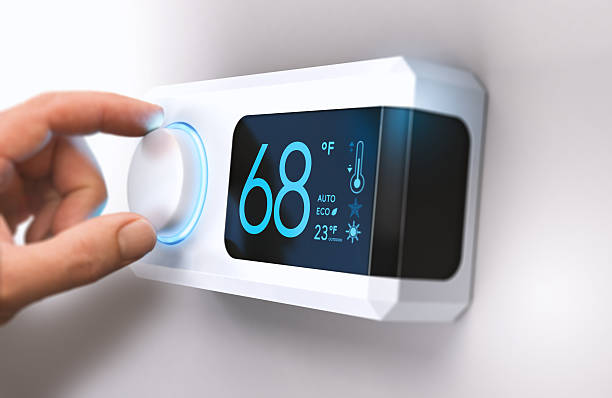

Energy-efficient homes are designed to minimize energy consumption while maximizing comfort and functionality. These homes integrate advanced technologies, insulation, and appliances that reduce energy waste significantly.
Modern construction techniques focus on sustainability, ensuring materials and designs maintain temperature effectively. Proper orientation, natural ventilation, and insulated walls help lower energy use throughout the year.
Energy-efficient homes are beneficial for both the environment and homeowners. Reduced energy demand means lower carbon footprints while saving substantial costs on electricity and heating systems over time.
Adopting energy-efficient practices has become increasingly popular as people seek sustainable living solutions. Governments often incentivize efficiency upgrades to encourage adoption of green technologies in residential buildings.
Solar Energy for Homes
Solar energy systems harness sunlight to produce electricity or heat water. Installing solar panels reduces reliance on fossil fuels while lowering monthly electricity bills for homeowners significantly.
Advances in photovoltaic technology allow panels to generate energy even during cloudy weather. Solar batteries can store excess energy, enabling usage during nighttime or power outages efficiently.
Solar energy not only cuts costs but increases property value. Homebuyers increasingly consider solar-equipped houses as long-term investments that provide economic and environmental benefits.
Maintenance of solar systems is relatively minimal. Periodic cleaning and inspections ensure optimal performance, while technological improvements continue to enhance efficiency and energy output over the years.
Smart Meters and Energy Monitoring
Smart meters track electricity and gas usage in real-time. They provide homeowners with precise data, helping identify consumption patterns and optimize energy usage to reduce unnecessary costs.
By connecting to apps or online portals, users receive alerts, usage reports, and recommendations. This empowers households to make informed decisions regarding their energy consumption habits.
Utility companies benefit from smart meters by efficiently managing energy distribution and detecting outages faster. Smart grids integrate these meters to maintain reliability and balance supply with demand effectively.
Homeowners can combine smart meters with energy-efficient appliances for maximum savings. Automated adjustments, such as turning off unused devices, further decrease electricity expenses without sacrificing convenience.
Cost Savings with Energy Efficiency
Investing in energy-efficient homes significantly reduces monthly utility bills. Proper insulation, energy-efficient lighting, and upgraded appliances ensure lower consumption while maintaining comfort and productivity.
Over time, the cumulative savings can offset initial installation costs of solar panels, smart meters, and efficient appliances. Many homeowners report substantial returns within a few years.
Energy-efficient upgrades can also increase resale value. Buyers are willing to pay a premium for homes with reduced energy costs, sustainable design, and smart energy management systems integrated.
Government incentives, tax credits, and rebates further enhance affordability. Many programs support renewable energy installations, insulation improvements, and energy-efficient appliance purchases for homeowners.
Benefits Beyond Savings
Energy-efficient homes reduce environmental impact by lowering greenhouse gas emissions. Sustainable energy use contributes to cleaner air, reduced fossil fuel dependence, and overall global climate improvement.
Improved indoor comfort is another advantage. Efficient heating, cooling, and ventilation systems maintain consistent temperatures and humidity levels, enhancing the overall quality of life for occupants.
Energy-efficient homes also promote resilience. Solar panels and smart systems provide backup power during outages, ensuring essential devices remain functional and homes maintain operational continuity.
These homes represent the future of residential construction. As awareness of environmental issues grows, energy efficiency will become a standard expectation, shaping the development of sustainable communities worldwide.