

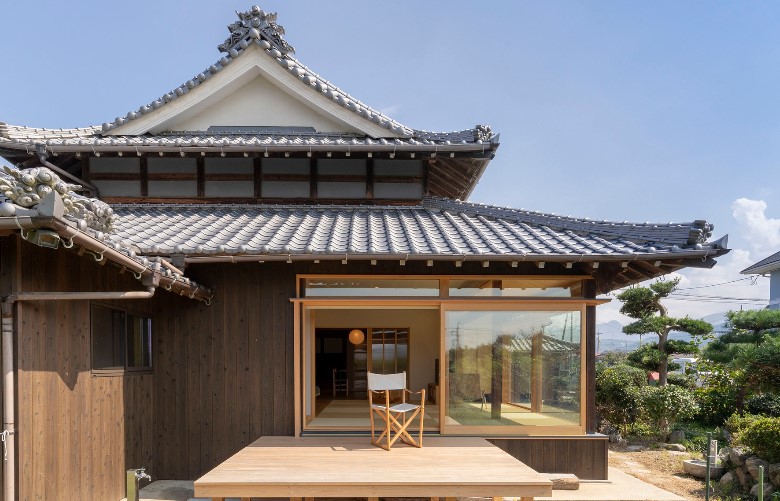

Japandi style is a modern interior design trend that combines Scandinavian simplicity with Japanese elegance. It focuses on minimalism, natural materials, and creating calm, functional living spaces.
The style emphasizes clean lines, muted tones, and uncluttered spaces. Japandi encourages living intentionally by using furniture and decor that serve a purpose and enhance comfort and serenity.
Materials like wood, bamboo, and linen dominate Japandi interiors. These natural elements connect interiors with nature while promoting a warm, welcoming atmosphere that balances aesthetics and functionality.
Japandi interiors prioritize a neutral color palette, including beige, cream, soft grey, and earthy tones. These colors create harmony while letting natural textures and light take center stage.
Key Features of Japandi Homes
Japandi homes combine the best of Scandinavian and Japanese design features. They emphasize simplicity, elegance, and practicality, resulting in cozy, serene, and aesthetically pleasing spaces.
Furniture in Japandi homes is low-profile, multifunctional, and often handcrafted. Clean shapes, muted colors, and natural textures define the functional yet beautiful pieces throughout each room.
Lighting is soft and natural in Japandi design. Large windows, open spaces, and minimal artificial lighting emphasize calmness and bring the outdoors inside.
Decor is intentionally minimal. Decorative items like ceramics, potted plants, and simple textiles provide subtle accents without overwhelming the serene environment.
Color Palettes and Materials
Japandi style uses a neutral and earthy color palette. Soft browns, creams, warm greys, muted greens, and blacks dominate interiors to create a calming, natural environment.
Natural materials are central to Japandi homes. Wood, bamboo, rattan, linen, and clay connect the interiors with nature while emphasizing sustainability and organic design principles.
Mixing textures enhances depth without cluttering the space. Soft fabrics, smooth wood finishes, and rough ceramic surfaces create visual interest while maintaining minimalist harmony.
Accent colors are used sparingly. Deep navy, muted green, or matte black highlights can define areas or furniture while maintaining the overall simplicity of the Japandi aesthetic.
Furniture and Layout Tips
Japandi furniture combines Scandinavian functionality with Japanese minimalism. Pieces are low, multifunctional, and uncluttered, focusing on practicality without compromising elegance.
Open layouts are preferred. Space is designed to flow naturally, with minimal barriers, allowing easy movement and maintaining an airy, spacious atmosphere throughout the home.
Storage solutions are integrated seamlessly. Hidden cabinets, floating shelves, and multipurpose furniture help keep spaces organized while preserving a minimalist and serene environment.
Furniture placement prioritizes balance. Each piece serves a functional purpose and contributes to visual harmony, ensuring rooms feel open, inviting, and stress-free.
Decorating Japandi Spaces
Decor in Japandi homes is subtle yet meaningful. Simple vases, bonsai trees, and ceramic pieces complement natural textures and neutral tones without overwhelming the interior.
Textiles such as linen cushions, wool throws, and jute rugs add comfort and warmth. Their understated patterns enhance texture while staying true to minimalistic design principles.
Art and wall decor are minimal. Monochrome prints, Japanese calligraphy, or abstract Scandinavian artwork add personality without disrupting the calm and balanced atmosphere.
Plants play a key role in Japandi interiors. Small potted plants, indoor trees, and bamboo create a natural connection with the environment and promote tranquility and wellbeing.
Lighting in Japandi Homes
Lighting is essential in Japandi design. Large windows and skylights maximize natural daylight while soft, warm-toned lamps add gentle illumination during evenings.
Paper lanterns, pendant lights, and minimalist fixtures reflect Japanese influence. These lighting options complement Scandinavian simplicity while creating a cozy, inviting environment.
Layered lighting is used strategically. Combining task, ambient, and accent lighting highlights natural textures, furniture design, and creates a calm and comfortable atmosphere.
Shadows and natural light are part of the aesthetic. They enhance spatial perception, emphasize textures, and contribute to the overall peaceful feeling of the home.
Why Japandi is Perfect for Modern Homes
Japandi style promotes calmness, simplicity, and functionality, which suits modern lifestyles. It encourages mindfulness, decluttering, and intentional living, creating more balanced and stress-free environments.
The fusion of Japanese elegance and Scandinavian coziness makes it versatile. It fits apartments, small spaces, or large homes while maintaining a serene and stylish aesthetic.
It is sustainable and timeless. Japandi favors natural materials, handcrafted furniture, and neutral palettes that remain relevant and appealing for years without looking outdated.
By blending beauty, functionality, and simplicity, Japandi homes are ideal for anyone seeking an organized, peaceful, and aesthetically pleasing space for everyday living.