

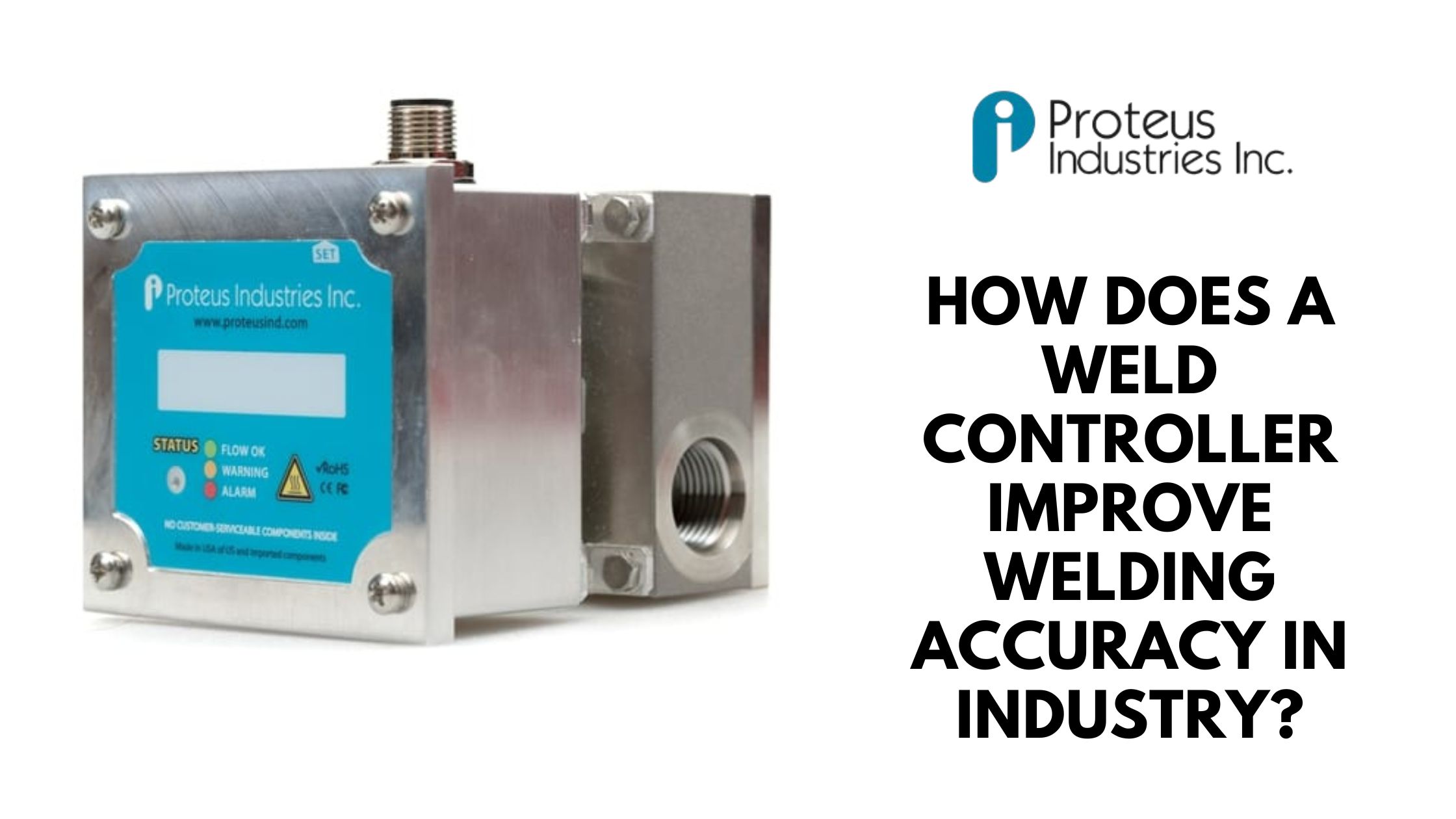

Industrial welding is a critical process used in manufacturing sectors such as automotive, aerospace, heavy machinery, and electronics. These industries rely on welding to create strong, reliable joints that ensure product safety and durability. However, achieving consistent weld quality requires precise control of several variables, including current, time, and pressure. A weld controller automatically manages key welding parameters, ensuring consistent performance and accurate weld results. This article explains how a weld controller improves welding accuracy in industrial applications.
What Is a Weld Controller?
A weld controller is an electronic device that manages and regulates the parameters of a welding process. It controls factors such as welding current, timing, and sequence to ensure that every weld meets specific requirements. These controllers are commonly used in resistance and robotic welding, as well as in automated production systems.
Unlike manual welding setups, where operators adjust settings manually, a weld controller uses programmed parameters to precisely control the welding process. This allows manufacturers to maintain consistent weld quality across multiple production cycles.
Importance of Welding Accuracy in Industry
Welding accuracy plays a crucial role in determining the strength and reliability of welded joints. Inaccurate welding can lead to weak connections, structural failures, or defective products. These issues not only compromise safety but also increase manufacturing costs due to repairs, rework, and wasted materials.
In industries such as automotive and aerospace manufacturing, even small variations in welding parameters can affect product performance. Consistent weld accuracy ensures that each component meets strict quality standards. A weld controller helps achieve this precision by maintaining stable welding conditions throughout the process, ensuring that every weld is produced with the same level of accuracy and reliability.
Key Functions of a Weld Controller
A weld controller performs several essential functions that help regulate the welding process and maintain consistent results.
Current Control
One of the primary roles of a weld controller is to regulate welding current. Proper current levels are essential for producing strong weld joints. By maintaining precise current levels, the controller ensures consistent heat generation during the welding process.
Timing Control
Timing control determines how long the welding current is applied. A weld controller ensures that the weld duration is accurate, preventing under-welding or excessive heat that could damage materials.
Pressure and Heat Regulation
In resistance welding systems, pressure and heat must work together to form strong welds. The controller helps maintain the correct balance between these factors.
Process Monitoring
Modern weld controllers continuously monitor welding parameters. If irregularities occur, the system can alert operators or automatically adjust settings to maintain accuracy.
How a Weld Controller Improves Welding Accuracy?
A weld controller improves welding accuracy in several important ways.
Precise Parameter Control
The controller allows manufacturers to set exact welding parameters, including current levels, weld time, and sequences. This precision ensures that each weld follows the same process every time.
Consistent Weld Quality
Without automated control, weld quality may vary depending on operator skill or environmental conditions. A weld controller eliminates these inconsistencies by maintaining stable parameters throughout production.
Real-Time Monitoring
Many advanced weld controllers include sensors and monitoring systems that track welding performance in real time. If the system detects irregularities, it can alert operators immediately.
Automated Adjustments
Some modern controllers can automatically adjust welding parameters to compensate for small variations in materials or environmental conditions. This capability helps maintain consistent weld quality even in complex manufacturing environments.
Applications of Weld Controllers in Industry
Weld controllers are used across a wide range of industries where accurate, reliable welding is essential.
Automotive Manufacturing
Automotive assembly lines rely heavily on robotic welding systems, controlled by weld controllers, to produce consistent, strong weld joints.
Robotic Welding Systems
In automated production environments, weld controllers manage the parameters required for robotic welding operations.
Aerospace Manufacturing
Aerospace components require extremely precise welding to meet strict safety and performance standards.
Electronics and Appliance Production
Manufacturers use weld controllers to ensure precise welding for small components and delicate materials.
Benefits of Using a Weld Controller
Using a weld controller offers several benefits for industrial welding operations.
- Improves weld consistency and precision
- Reduces defects and rework
- Minimizes material waste
- Enhances production efficiency
- Ensures compliance with quality standards
By maintaining stable welding parameters, weld controllers help manufacturers achieve reliable results while reducing operational costs.
Integration with Modern Automation Systems
Modern manufacturing environments rely on automation and data monitoring to improve efficiency. Many weld controllers are designed to integrate with PLC systems, robotic welding lines, and factory automation networks.
This integration allows operators to monitor welding performance in real time and collect production data for analysis. Automated systems can also adjust welding parameters based on sensor and monitoring equipment feedback. As a result, manufacturers can achieve higher levels of accuracy, consistency, and productivity in their welding operations.
Maintenance and Optimization Tips
To ensure optimal performance, weld controllers require regular maintenance and calibration. Routine inspections help verify that the controller is operating correctly and that welding parameters remain accurate.
Operators should also monitor system settings and update them as needed when materials or production requirements change. Preventive maintenance practices, such as cleaning electrical connections and checking sensors, help extend the controller’s lifespan and maintain reliable welding accuracy.
Conclusion
A weld controller plays a vital role in improving welding accuracy across modern industrial operations. By precisely controlling welding parameters, monitoring the process in real time, and integrating with automation systems, it ensures consistent weld quality and reliable performance.
Industries that rely on automated welding benefit greatly from the accuracy and efficiency that weld controllers provide. Investing in advanced weld control technology helps manufacturers reduce defects, improve productivity, and maintain high-quality standards in competitive manufacturing environments.