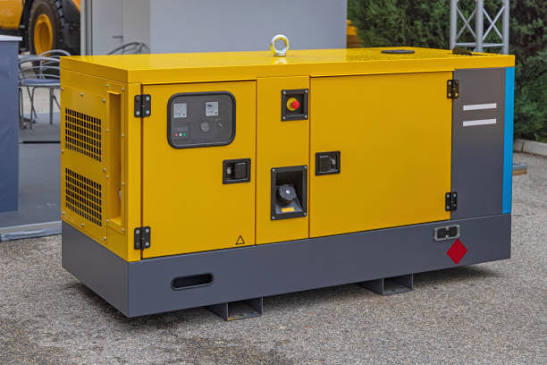
Power is the one element of an outdoor event that guests never notice until it fails. When it works, the lights stay on, the sound system is clear, the food stays cold and the stage looks exactly as the designer intended. When it fails, the entire event stops. A single overloaded circuit can silence a band in the middle of a set, and a generator that runs out of fuel can plunge a wedding reception into darkness.
Indoor venues come with a fixed electrical supply that someone else has already designed and tested. Outdoor events are different. Parks, beaches, deserts, car parks and private gardens rarely have enough grid power for anything larger than a small gathering, so organisers must build a temporary power system from scratch.
The good news is that power planning follows a clear, logical process. You do not need to be an electrical engineer to get it right, but you do need to start early, ask the right questions and involve qualified professionals at the correct stage. This guide walks you through each step, from listing your equipment to preparing a backup plan, so you can approach your next outdoor event with confidence.
Every power plan begins with a simple question: what needs electricity? Walk through the event from the moment the first supplier arrives to the moment the last truck leaves, and write down every item that will be plugged in.
A typical outdoor event list includes stage lighting, sound systems, LED screens, catering equipment such as fridges, ovens and coffee machines, air conditioning or cooling units, tent and pathway lighting, ticketing and point of sale systems, phone charging stations and security equipment. Do not forget the less obvious items, such as production office laptops, portable toilets with lighting, and the equipment your vendors will bring on the day.
The most common mistake at this stage is relying on memory. Ask every supplier, caterer and exhibitor to confirm in writing what they will connect and how much power it needs. A vendor who arrives with an unexpected pizza oven or an extra chiller can overload a circuit that was sized correctly on paper.
Once you have your list, note the power rating of each item. This is usually shown in watts (W) or kilowatts (kW) on the equipment label or in its manual. Add these figures together to get your total running load.
This number is only a starting point, for two reasons.
First, some equipment needs far more power to start than it does to run. Motors, compressors, air conditioning units and refrigeration can draw three to five times their running power for a few seconds when they switch on. If several of these start together, the generator must be able to handle that surge.
Second, you should never plan to run a generator at 100 percent of its capacity. Most professionals add a safety margin of 20 to 30 percent above the calculated load. This protects against unexpected additions, allows for equipment that draws more than its label suggests and keeps the generator working efficiently.
Generators are usually rated in kilovolt-amperes (kVA) rather than kilowatts. As a general rule, you can convert kW to kVA by dividing by 0.8, which is the standard power factor used for most generator sizing. For example, a 64 kW load divided by 0.8 equals 80 kVA.
Power is not only about how much you need. It is also about where you need it. Take a site plan and mark every point that requires electricity: the stage, the food court, the VIP area, the entrance, the toilets and the production office.
This map helps you make an important decision. You can use one large central generator with cables running to each zone, or several smaller generators placed closer to the areas they serve.
A central generator is often simpler to manage and refuel, but it requires longer cable runs. Distributed generators reduce cabling and create natural redundancy, because a fault in one zone does not affect the others. Large events often combine both approaches, with a main generator for production and smaller units for catering or remote areas.
The map should also show where generators can physically be placed. They need firm, level ground, good ventilation, safe access for fuel trucks and enough distance from guests to keep noise and exhaust away from the audience.
With your load and layout confirmed, you can select the generators. Several factors matter beyond size.
Noise level. For weddings, conferences, film shoots and acoustic performances, choose sound-attenuated or super-silent units. Noise is measured in decibels (dB), usually at a distance of seven metres, so always check how the figure was measured.
Fuel type and efficiency. Diesel remains the standard for event power, but many suppliers now offer units compatible with renewable diesel (HVO) or hybrid systems that pair a generator with battery storage. These can reduce fuel use and emissions, especially at events with variable loads.
Operating conditions. Heat, dust and altitude reduce generator output. In hot climates, a unit may need to be derated, which means it cannot safely deliver its full rated power. A professional supplier will factor this in.
A reputable generator rental service will review your load list, visit the site if needed and recommend the right combination of units rather than simply supplying the largest machine available.
A generator produces power, but distribution equipment delivers it safely to each piece of equipment. This part of the system is just as important as the generator itself.
Distribution typically includes power cables sized to carry the load over the required distance, distribution boards that split the supply into protected circuits, and residual current devices (RCDs) that cut power instantly if a fault puts people at risk. Where cables cross walkways or vehicle routes, use cable ramps or protectors to prevent trips and damage.
Cable size matters more than many organisers realise. A cable that is too thin for its load or distance will overheat and cause voltage drop, which can make equipment behave unpredictably. Always have distribution designed by a qualified electrician.
Running out of fuel is one of the most avoidable causes of event power failure. Calculate how long each generator will run, including setup, rehearsals, the event itself and breakdown. Then estimate fuel consumption based on the expected load.
For events longer than one day, or for large generators, consider an external fuel tank. This extends runtime and reduces the need for refuelling during the event. Agree a refuelling schedule in advance, and make sure fuel deliveries do not coincide with peak guest arrival times.
Temporary power carries real risks, including electric shock, fire and carbon monoxide exposure. Every installation should be carried out and tested by qualified personnel.
Key safety measures include earthing every generator correctly, using weatherproof connectors and enclosures, fencing off generators from public access, keeping fire extinguishers nearby and placing exhaust outlets well away from tents and seating areas. Check local regulations, as many authorities require permits, inspections or certificates for temporary electrical installations at public events.
Even well-planned systems can fail. For critical areas such as the main stage, medical tents, emergency lighting and security systems, build in redundancy.
This could be a standby generator connected through an automatic transfer switch, which takes over within seconds if the main supply fails. For smaller events, it may simply mean having a spare unit on site and a technician ready to respond. Ask your supplier what on-site or on-call technical support is included, and make sure your team knows exactly who to call if something goes wrong.
Good power planning starts well before the event. The following timeline works for most medium-sized outdoor events.
During busy seasons, generators and distribution equipment can be fully booked weeks in advance, so early confirmation is especially important.
Planning power for an outdoor event is less about technical expertise and more about organisation. Start with a complete equipment list, calculate your load with a sensible safety margin, map where power is needed and choose equipment that suits your site and audience. Then support the system with safe distribution, a reliable fuel plan and a backup strategy for critical areas.
Most importantly, involve experienced professionals early. A qualified power supplier can spot problems on paper that would be expensive or impossible to fix on the day. With the right preparation, power becomes exactly what it should be at a great event: invisible, reliable and completely forgotten by your guests.

This post has been authored and published by one of our premium contributors, who are experts in their fields. They bring high-quality, well-researched content that adds significant value to our platform.









Home Guide provides trusted home improvement tips, DIY ideas, maintenance guides, and interior design inspiration to help you create a smarter, safer, and more beautiful home.