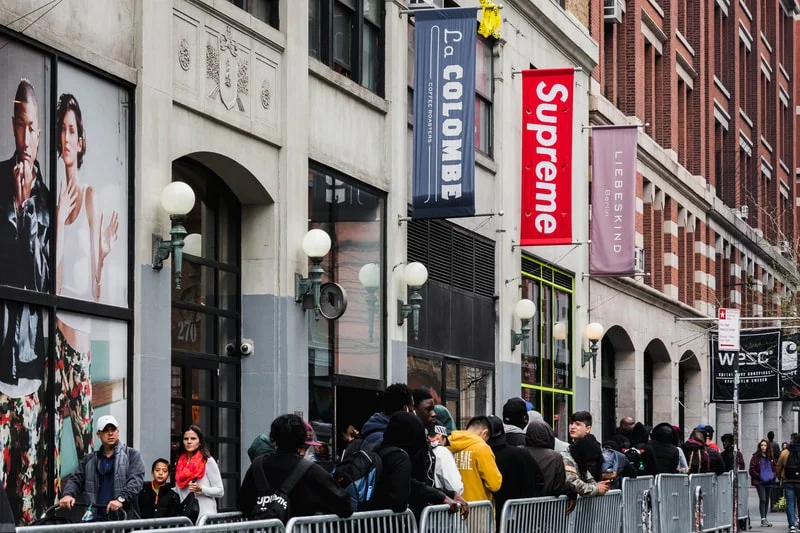
Digital platforms have changed the way people discover clothing, exchange styling ideas, and develop their personal fashion preferences. Outfit photographs, short videos, online communities, and independent creative projects allow individuals to explore styles from different places without leaving home. Streetwear benefits from this exchange because its visual character can be expressed through graphics, layering, color combinations, and distinctive silhouettes. Supreme Clothing fits into this wider conversation about contemporary casual fashion, where clothing can become part of a person's online identity as well as their everyday wardrobe. Digital inspiration can be valuable when people use it to explore their own preferences rather than simply reproduce popular looks.
Creating a recognizable style begins with understanding which clothing choices feel authentic. Some people prefer neutral colors and clean silhouettes, while others enjoy bold graphics, oversized layers, or experimental accessories. Online platforms make it easy to observe different approaches and identify details that feel appealing. Instead of copying a complete outfit, individuals can adapt one element, such as a color combination or a particular fit, to clothing they already own. This approach allows digital inspiration to support personal creativity while keeping everyday fashion practical and individual.
Fashion photographs communicate more than the garments themselves. Lighting, backgrounds, posture, and composition can influence how an outfit appears on screen. A simple combination of denim and a graphic top may look distinctive when photographed against an interesting architectural background. A Supreme Hoodie can become the focus of an image when the surrounding outfit is kept relatively simple and the photograph highlights its silhouette. Experimenting with different angles can also reveal how clothing moves and fits. These techniques help creators present their style clearly without requiring expensive equipment or professional photography experience.
Online communities bring together people who share interests in fashion, music, art, photography, and design. Their discussions can introduce new combinations, independent labels, and styling techniques that might otherwise remain unfamiliar. Someone researching Supreme London may encounter conversations about urban fashion, street culture, and how clothing reflects different creative environments. However, digital communities are most useful when they encourage curiosity rather than impose a single definition of good style. Exploring a variety of perspectives helps individuals understand how different people interpret streetwear and develop ideas that suit their own lives.
Fashion content often becomes more interesting when it reflects genuine experiences instead of repeating the same poses and trends. Creators can photograph everyday outfits, explain why certain combinations work, or share how they organize a practical wardrobe. Showing familiar garments in different settings can also demonstrate their versatility. Authenticity does not require revealing private information or purchasing new clothing for every post. It can simply mean presenting personal choices honestly and developing a visual approach that feels consistent. Over time, this makes fashion content more recognizable and enjoyable to create.
Creative software and editing applications provide additional ways to experiment with fashion ideas. Mood boards can bring together color palettes, fabric textures, outfit references, and architectural details. Photo-editing tools can help organize a visual collection, while simple design applications allow users to test different graphic arrangements. These activities can reveal combinations that might not have been considered otherwise. The purpose is not to make every outfit look digitally perfect, but to use visual tools as a source of inspiration. Keeping the process exploratory allows creativity to develop without becoming dependent on online approval.
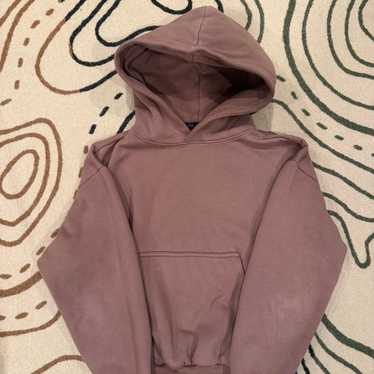
An outfit does not need to be extravagant to work well in photographs. Clean lines, balanced proportions, and complementary colors can create a strong visual result. A distinctive garment can provide the focal point while basic pieces keep the overall appearance coordinated. For example, a graphic hoodie can be paired with plain trousers and understated sneakers, allowing the design to remain noticeable. Checking how clothes sit around the shoulders, sleeves, and waist can also improve the final appearance. Small adjustments often matter more than adding extra accessories or following every current trend.
Digital platforms can make fashion trends appear unavoidable because similar outfits are often shared repeatedly. Although trends can introduce useful ideas, they do not automatically suit every individual or budget. Before following a popular look, it helps to consider whether the clothing fits personal preferences, daily activities, and existing wardrobe pieces. Sometimes a small adjustment to an outfit already owned is more satisfying than purchasing a completely new combination. Treating trends as optional inspiration helps preserve independence and makes fashion more enjoyable over time.
Online shopping provides access to a wide range of clothing, but product photographs may not reveal every important detail. Shoppers should review measurements, fabric descriptions, care instructions, shipping information, and return policies before placing an order. Comparing these details with their own needs can help prevent unsuitable purchases. It is also worth considering how a new item will work with existing garments rather than judging it entirely by its appearance on a screen. Thoughtful decisions support a more useful wardrobe and reduce the chance of buying pieces that remain unworn.
A personal fashion identity should work beyond photographs and social media profiles. Clothing needs to remain comfortable during commuting, work, study, and everyday activities. An outfit that looks interesting online may require adjustments to become suitable for different weather or practical situations. Choosing comfortable footwear, appropriate layers, and garments that allow easy movement helps connect creative ideas with real-life needs. Taking inspiration from digital spaces while testing combinations in everyday settings creates a more balanced approach to personal style.
A recognizable fashion identity develops gradually through observation, experimentation, and repeated choices. Digital platforms can provide inspiration and opportunities to share ideas, but personal taste grows through experience. Photographing favorite outfits, organizing creative references, and reviewing which garments receive regular use can help individuals understand their preferences. Over time, these habits make it easier to build a wardrobe that feels cohesive without becoming repetitive. Streetwear offers a flexible foundation for this process because it combines practical clothing with endless opportunities for individual interpretation. By using online inspiration thoughtfully, people can develop a style that feels creative, authentic, and suitable for everyday life.

Aprende cómo elegir Dandy Hats para tu estilo diario con consejos sobre diseño, colores, ajuste y combinaciones de moda urbana.










Home Guide provides trusted home improvement tips, DIY ideas, maintenance guides, and interior design inspiration to help you create a smarter, safer, and more beautiful home.