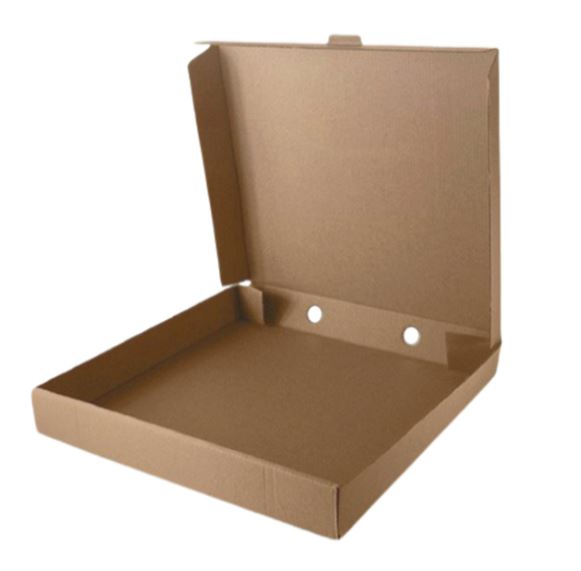
Pizza is one of the most popular takeaway foods worldwide, and its packaging plays an important role in maintaining food quality, protecting the product, and creating a positive customer experience. A cardboard pizza box is a practical packaging solution designed to hold pizzas securely during storage, takeaway, and delivery. It helps restaurants serve customers conveniently while providing opportunities to promote their brands through customized printing and attractive designs.
From small neighborhood pizzerias to large restaurant chains, cardboard pizza box are widely used because they are lightweight, convenient to handle, and available in different sizes and styles. Businesses can choose plain packaging for everyday orders or printed boxes that display their logos, contact information, and promotional messages.
Selecting the right pizza box involves considering the material, dimensions, construction, ventilation, and overall packaging requirements. With the right design, businesses can protect their pizzas and provide customers with a more professional takeaway experience.
A cardboard pizza box is a container made from paper-based packaging material specifically designed to hold and transport pizzas. It usually features a flat base, folding sides, and a hinged lid that closes over the pizza.
Many pizza boxes are manufactured from corrugated cardboard, which contains a fluted layer between paper liners. This construction provides additional rigidity and helps protect the contents during handling. Some boxes use suitable paperboard materials, depending on their intended application and structural requirements.
Cardboard pizza boxes are available in various dimensions to accommodate personal, medium, large, and family-sized pizzas. Businesses can also order specialized packaging for square pizzas, deep-dish varieties, and other specialty products.
Their straightforward folding design makes them convenient to assemble, stack, store, and use in busy restaurant environments.
One of the primary purposes of a cardboard pizza box is to protect the pizza from damage during delivery. A sturdy box helps prevent external pressure from affecting the crust and toppings.
The box should fit the pizza properly so that it does not move excessively during transportation. Strong construction and secure folding panels can also help the packaging maintain its shape while being carried.
For businesses offering delivery services, choosing a suitable material grade is particularly important because packaging may experience repeated handling and movement.
Customers generally prefer receiving pizza while it is still warm. A cardboard pizza box provides an enclosure that helps retain heat during short delivery journeys.
However, the packaging must also manage steam. Freshly baked pizza releases moisture, and excessive condensation can make the crust soft. Ventilation openings can help release steam and improve the overall eating experience.
Restaurants should evaluate their packaging based on pizza style, delivery distance, and typical serving conditions to determine which design works best.
Cardboard pizza boxes are relatively lightweight, making them practical for takeaway counters and delivery operations. Staff can assemble them quickly, stack them efficiently, and organize orders without complicated packaging procedures.
Flat-packed boxes can also help save storage space before assembly. This is especially useful for restaurants with limited kitchen or storage areas.
For businesses handling large numbers of orders, easy assembly and consistent box dimensions can improve workflow during busy lunch and dinner periods.
A pizza box offers more than food protection. It can also serve as a marketing tool for restaurants that want to increase brand recognition.
Businesses can print their logos, restaurant names, slogans, and contact information directly onto the packaging. A well-designed box helps customers identify the restaurant and remember the brand when ordering again.
Additional printing options include QR codes, online ordering details, social media handles, and discount offers. Keeping the design clear and readable can make these details more useful to customers.
Cardboard is a paper-based packaging material that may be recyclable when accepted by local recycling facilities and when contamination and coatings meet their requirements.
Businesses interested in more responsible packaging can explore options containing recycled fibers or paper sourced from responsibly managed forests.
However, food residue, grease, coatings, and other components may affect recyclability. Restaurants should check the supplier's specifications and follow local disposal guidance rather than assuming every pizza box can be recycled in every location.
Pizza businesses have different packaging needs depending on their menus, budgets, and branding preferences. Several common options are available.
Plain cardboard pizza boxes are a straightforward choice for restaurants that prioritize practical packaging and cost control. They typically feature a simple appearance without extensive printing.
These boxes may suit small pizzerias, takeaway shops, catering businesses, and restaurants that use separate labels or stickers for branding.
Custom printed pizza boxes allow businesses to display their branding directly on the packaging. They can feature logos, brand colors, promotional messages, and contact details.
Printing may range from a simple one-color design to more detailed artwork, depending on the material and production method.
Custom packaging can help restaurants create a consistent visual identity across their menus, delivery materials, and customer orders.
Kraft pizza Custom Product boxes feature a natural brown appearance that works well for artisan pizzerias, traditional restaurants, and businesses that prefer a simple design.
They can be used with minimal printing for an understated look or customized with a logo to create distinctive branded packaging.
The environmental performance of kraft packaging depends on its actual material composition, sourcing, coatings, and disposal conditions.
Corrugated pizza boxes use a fluted internal layer to provide additional strength and rigidity. They can be suitable for businesses that require sturdy packaging for delivery and takeaway orders.
The appropriate thickness and construction depend on the pizza's size, weight, and transportation requirements.
Choosing suitable packaging requires attention to several practical factors.
Measure your pizzas carefully before selecting box dimensions. A box that is too small can damage the crust, while an oversized box may allow the pizza to slide during delivery.
Restaurants selling several pizza sizes may benefit from maintaining a range of box dimensions.
The material should be strong enough to support the pizza without bending excessively. Businesses should consider the weight of the product, toppings, crust thickness, and delivery conditions when selecting a suitable box.
Testing samples before placing a large order can help identify potential problems.
Pizza boxes should be made from materials suitable for their intended food-contact application. Ask suppliers about relevant safety documentation, printing inks, adhesives, and coatings.
This is especially important when packaging hot, oily food.
Flat-packed boxes can reduce storage demands and make inventory easier to organize. Restaurants should also consider how quickly staff can assemble the packaging during peak business hours.
Consistent dimensions and a reliable folding design can make daily operations more efficient.
Businesses can customize cardboard pizza boxes to match their brand identity and customer expectations.
Popular options include:
Different sizes: Personal, medium, large, and family-sized boxes.
Logo printing: Display the restaurant name and visual identity.
Custom colors: Match the packaging with existing brand guidelines.
Promotional messages: Advertise special offers, meal deals, and loyalty programs.
QR codes: Direct customers to online menus or ordering platforms.
Specialized designs: Create packaging for square pizzas, specialty crusts, or promotional campaigns.
The most effective design combines attractive branding with practical features that protect the food and make the box easy to use.
Packaging directly influences how customers experience takeaway food. A poorly fitted or damaged box can affect the pizza's appearance, while clean, sturdy packaging helps present the product professionally.
Cardboard pizza boxes also support efficient order handling. Their stackable design helps restaurants organize multiple orders, and their printable surfaces provide opportunities to communicate with customers.
For growing businesses, consistent packaging can reinforce brand recognition across different locations and delivery platforms.
Restaurants can further improve their packaging strategy by choosing appropriate sizes, minimizing unnecessary materials, and providing clear disposal guidance where relevant.
When sourcing pizza packaging, businesses should compare material quality, dimensions, printing options, minimum order quantities, and production timelines. Requesting a sample can help confirm that the box fits the pizza and performs well under normal operating conditions.
You can explore to review a packaging option for your business. Contact the supplier to confirm available sizes, materials, customization options, pricing, and delivery arrangements.
Before placing a bulk order, make sure the selected packaging meets your food-contact requirements and suits your takeaway or delivery process.
A cardboard pizza box is an essential packaging solution for pizzerias, restaurants, food trucks, and delivery businesses. It helps protect pizzas during transportation, supports heat retention, simplifies order handling, and provides a useful surface for branding.
With options ranging from plain and kraft boxes to custom printed and corrugated designs, businesses can select packaging that matches their operational needs and brand identity.

This post has been authored and published by one of our premium contributors, who are experts in their fields. They bring high-quality, well-researched content that adds significant value to our platform.










Home Guide provides trusted home improvement tips, DIY ideas, maintenance guides, and interior design inspiration to help you create a smarter, safer, and more beautiful home.