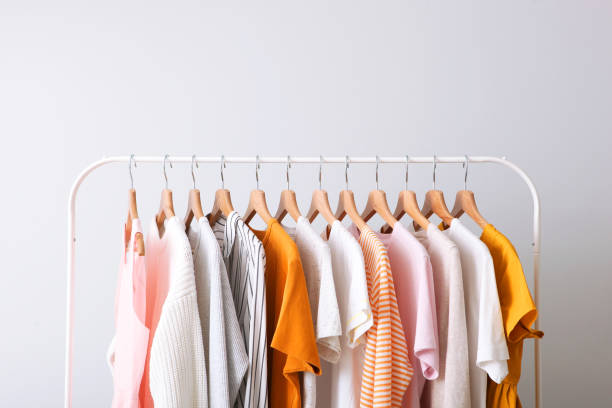
A well organized closet saves time, reduces stress, and makes getting dressed much easier every day. Instead of searching through cluttered shelves and packed hangers, you can quickly find exactly what you need. Professional stylists rely on simple systems that anyone can use at home.
Whether your wardrobe is large or small, the right organization techniques create a cleaner and more functional space. With a few practical strategies and regular maintenance, you can enjoy a closet that feels organized, stylish, and easy to manage throughout the year.
The first step toward a professionally organized closet is removing every item from the space. Empty shelves, drawers, and hanging rods completely so you can clearly see what you own. This process also helps identify unnecessary clutter.
Place your clothing, shoes, and accessories into separate groups before making decisions. Sorting items by category makes it easier to understand how much storage space each section requires. It also highlights duplicate or forgotten pieces.
Carefully inspect every item for condition, fit, and usefulness. Clothes that no longer fit or have not been worn for a long time should be donated, recycled, or discarded if damaged beyond repair.
Starting with a clean and empty closet creates the perfect foundation for an organized system. It allows you to redesign the space efficiently without working around unnecessary items that no longer serve a purpose.
Professional stylists always organize clothing by category because it simplifies daily outfit selection. Keep shirts together, trousers together, dresses together, jackets together, and activewear in their own dedicated sections.
Within each category, arrange clothing by color to create a visually appealing wardrobe. Light shades can gradually transition into darker tones, making every item easier to locate during busy mornings.
Separate seasonal clothing from everyday essentials to maximize available space. Heavy winter coats and thick sweaters can be stored elsewhere during warmer months, leaving room for frequently worn garments.
Categorizing clothing also helps you notice wardrobe gaps and prevents unnecessary shopping. You gain a better understanding of your collection while maintaining a balanced and practical closet.
Storage accessories play an important role in creating a professional looking closet. Matching hangers provide a neat appearance while keeping clothing evenly spaced and properly supported throughout the wardrobe.
Use storage boxes for accessories, scarves, belts, and seasonal items. Clear containers allow you to identify contents quickly without opening every box whenever you need something specific.
Drawer dividers help separate smaller clothing items such as socks, underwear, ties, and workout accessories. Organized drawers prevent messy piles and make everything easier to access every day.
Install shelf organizers or stackable storage units if your closet lacks built in compartments. These affordable additions maximize vertical space while creating dedicated storage for folded garments and shoes.
Small closets benefit greatly from making use of every available inch. Add hooks behind doors for bags, robes, hats, or frequently used accessories without occupying valuable shelf space.
The upper shelves should store items used less frequently, such as luggage, formal wear, or seasonal decorations. Keeping rarely needed belongings higher preserves accessible areas for everyday essentials.
Utilize the floor space efficiently with shoe racks or storage bins that fit neatly beneath hanging clothes. Proper shoe organization prevents damage while maintaining a cleaner overall appearance.
Vertical storage creates additional capacity without requiring more room. Hanging organizers with multiple compartments work well for folded clothing, handbags, sweaters, and smaller accessories that would otherwise create clutter.
Shoes deserve dedicated storage to maintain their shape and condition. Arrange pairs by style, frequency of use, or color for a cleaner display and faster selection each morning.
Store handbags upright using shelf dividers to help them retain their structure. Stuffing bags with tissue paper also prevents collapsing during longer storage periods while keeping them looking new.
Jewelry organizers reduce tangles while making necklaces, bracelets, and earrings easily accessible. Wall mounted displays or drawer inserts keep valuable accessories protected and neatly arranged.
Belts, scarves, and ties should each have designated storage methods. Hanging organizers or divided drawers ensure these accessories remain visible, organized, and ready to complement any outfit.
Professional stylists arrange wardrobes based on personal lifestyle and daily habits. Frequently worn clothing should remain at eye level for quick access, while occasional pieces can occupy less convenient spaces.
Work clothing, casual outfits, exercise wear, and formal attire should each have dedicated sections. Grouping outfits by purpose reduces decision making and simplifies your morning routine significantly.
You can also prepare complete outfits by hanging matching garments together. Keeping coordinating pieces nearby saves valuable time while encouraging better outfit combinations throughout the week.
A closet organized around your lifestyle becomes more practical than simply looking attractive. Functionality ensures that maintaining organization remains easy and sustainable over the long term.
Even the best organized closet requires regular maintenance. Schedule monthly reviews to return misplaced items and remove clothing that is no longer needed or frequently worn.
Seasonal wardrobe changes provide excellent opportunities to refresh your organization system. Rotate clothing according to weather while inspecting garments for repairs, cleaning, or replacement when necessary.
Follow the simple habit of returning every item to its designated location immediately after use. Consistency prevents clutter from gradually rebuilding and keeps the closet looking professionally arranged.
Avoid purchasing new clothing without considering available storage space. Thoughtful shopping decisions help maintain an organized wardrobe while preventing unnecessary overcrowding in the future.
Keeping too many unnecessary items is one of the biggest organization mistakes. Holding onto clothing that no longer fits only consumes valuable storage space without providing practical value.
Using different hanger types creates an uneven appearance and can damage delicate garments. Matching hangers improve both functionality and the visual appeal of the entire closet.
Overstuffed shelves make folded clothing unstable and difficult to access. Leave small gaps between stacks so items remain tidy while allowing easy removal without disturbing everything else.
Ignoring regular maintenance eventually leads to clutter returning despite your initial efforts. Small organizational tasks completed consistently require far less time than another complete closet overhaul.
Learning how to organize your closet like a professional stylist is about creating systems that are practical, attractive, and easy to maintain. With thoughtful sorting, smart storage solutions, and consistent habits, any closet can become a functional space that simplifies your daily routine.
A well organized wardrobe saves time, protects your clothing, and creates a more enjoyable dressing experience. By following these professional techniques and maintaining your organization regularly, you can enjoy a clean, stylish closet that remains efficient throughout every season.

This post has been authored and published by one of our premium contributors, who are experts in their fields. They bring high-quality, well-researched content that adds significant value to our platform.












Home Guide provides trusted home improvement tips, DIY ideas, maintenance guides, and interior design inspiration to help you create a smarter, safer, and more beautiful home.