Older homes have charm. They often come with solid wood floors, mature neighborhoods, and character you cannot find in new builds. But age also brings wear, outdated materials, and past repairs that may not have been done well. Professionals who handle LA home inspections see the same warning signs again and again. Knowing them before you tour a house can help you ask better questions and avoid costly surprises.
Building standards change over time. A house built decades ago may have been fine for its era but does not match modern safety rules. Over the years, owners may have added rooms, changed plumbing, or updated wiring without proper permits. An inspection will not fix any of this, but it can show you what you are dealing with so you can plan.
Here are eight red flags to watch for.
Older homes may have small panels that cannot handle modern appliances, ungrounded outlets, or old wiring types that are no longer considered safe. Signs include flickering lights, warm outlets, buzzing sounds, and extension cords used as permanent wiring. An electrician may be needed for a closer review.
Galvanized steel, old cast iron, and other aging materials can corrode, leak, or reduce water pressure over time. Look for low pressure, rusty water, stains under sinks, and patched pipes. Repiping can be expensive, so know the condition before you buy.
Small cracks are normal, but wide, stair-step, or growing cracks can point to movement. Sloping floors, doors that stick, and gaps between walls and ceilings are other clues. Because the region has earthquakes and shifting soil, these signs deserve a careful look, and a structural engineer can offer a clearer answer.
Roofs that are near the end of their life may show missing pieces, curling shingles, damaged flashing, or sagging areas. Check ceilings for brown stains that suggest past leaks, and ask when the roof was last replaced.
Musty smells, peeling paint, bubbling walls, and dark spots are red flags. Older homes may have poor ventilation and past water damage hidden behind new paint. If you notice these signs, consider mold testing and ask the seller about any repairs.
Some insurers want documentation of key systems before covering older homes. In some cases they ask for a limited report on the roof, electrical, plumbing, and heating and cooling. If you are curious about the four point inspection cost, ask your insurance agent whether one is needed and get quotes from inspectors, since it is often much less than a full inspection. A report showing worn systems can lead to higher premiums or required repairs, so it helps to learn this early.
Look for converted garages, added bedrooms, or enclosed porches that do not match the rest of the house. Ask for permit records. Unpermitted work can cause safety problems, trouble with insurance, and headaches when you want to sell or remodel.
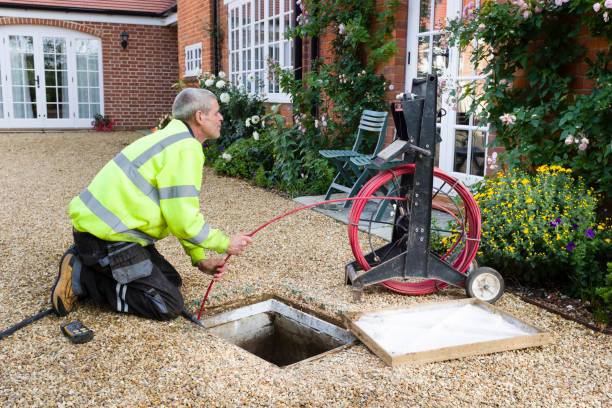
Older homes often have clay or cast iron sewer lines that can crack or fill with roots. Slow drains, gurgling noises, and damp spots in the yard are warning signs. A camera inspection is a small cost compared with a major line replacement.
Do not panic, and do not assume the home is a bad buy. Many issues can be fixed or priced into your offer. Write down what you see, ask the seller for records, and bring in specialists when needed. Use the inspection report to decide whether the repairs fit your budget.
An older house can be a great home, but only if you understand its condition. Watch for electrical, plumbing, foundation, roof, moisture, insurance, permit, and sewer concerns. Use a thorough inspection and a few smart questions to turn red flags into clear numbers, then decide if the home fits your plans and budget.

This post has been authored and published by one of our premium contributors, who are experts in their fields. They bring high-quality, well-researched content that adds significant value to our platform.












Home Guide provides trusted home improvement tips, DIY ideas, maintenance guides, and interior design inspiration to help you create a smarter, safer, and more beautiful home.