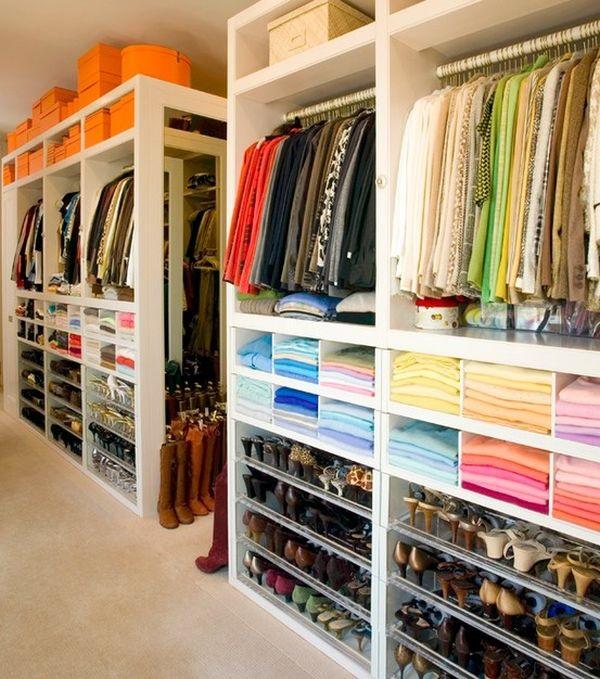
Keeping a small bedroom organized can feel challenging, especially when closet space is limited. Clothes, shoes, accessories, and seasonal items quickly create clutter, making the room appear even smaller than it actually is.
Fortunately, you do not need an expensive renovation to improve your storage. With a little creativity and a few affordable materials, you can transform your closet into a practical and attractive space that meets your daily needs.
These easy DIY closet organization ideas for small bedrooms will help you maximize every inch of available storage. Whether you rent or own your home, these simple solutions are budget friendly, effective, and easy to complete over a weekend.
The first step toward an organized closet is removing everything from the space. Empty shelves and hanging rods allow you to see exactly what you own and identify unnecessary items that consume valuable storage.
Sort your belongings into categories such as clothing, shoes, accessories, and seasonal items. Separate anything that no longer fits, is damaged, or has not been worn for a long time before deciding what to keep.
Donate gently used clothing, recycle worn out fabrics, and dispose of damaged items responsibly. Reducing unnecessary belongings creates more room for the items you actually use every day.
Starting with a clutter free closet ensures every DIY organization project delivers better results. Organizing fewer items is easier, faster, and helps maintain a tidy bedroom for the long term.
Many closets have unused vertical space above the hanging rod. Installing additional shelves is one of the easiest DIY improvements for increasing storage without taking up extra floor space.
Wooden boards and inexpensive shelf brackets can create custom storage for folded clothes, handbags, storage baskets, or seasonal decorations. Even beginners can complete this project using basic household tools.
Place frequently used items on lower shelves while storing less frequently used belongings higher up. This arrangement keeps everyday essentials accessible while maximizing the available storage area efficiently.
Adding vertical shelving also makes your closet appear more structured. Instead of stacking clothes unevenly, every category receives its own designated location for improved organization.
Storage bins help separate similar items while reducing visual clutter inside your closet. Clear plastic containers allow you to identify contents instantly without opening every box during busy mornings.
Fabric baskets provide a softer decorative appearance while hiding miscellaneous items. Label each basket clearly to simplify finding socks, scarves, workout clothing, or seasonal accessories whenever needed.
Choose stackable containers whenever possible because they maximize storage height while maintaining stability. Uniform containers create a cleaner appearance that makes even small closets feel professionally organized.
Affordable baskets are available in many sizes and colors, allowing you to match your bedroom style while improving functionality. This simple upgrade creates a more attractive and practical storage system.
Wall hooks provide additional storage without requiring major renovations. Empty closet walls often offer enough space for hanging hats, belts, purses, jewelry organizers, or lightweight jackets used throughout the week.
Self adhesive hooks work well for renters because they require no drilling and can usually be removed without damaging walls. They provide flexible organization for changing storage needs over time.
Place frequently used accessories near the closet entrance for convenient access. This arrangement saves valuable shelf space while reducing the chances of losing smaller personal belongings.
Installing several hooks at different heights allows everyone in the household to organize personal items efficiently. This inexpensive DIY improvement increases storage capacity while keeping the closet neat.
Shoes often occupy unnecessary floor space and quickly create clutter inside small closets. Organizing footwear properly makes the closet cleaner while protecting shoes from unnecessary wear and damage.
Stackable shoe racks are affordable, but you can also create simple wooden shelves using leftover materials. Even cardboard storage boxes with labels provide an effective temporary solution for seasonal footwear.
Over the door shoe organizers work especially well in compact bedrooms because they utilize unused door space efficiently. Many designs also store accessories, cleaning supplies, or folded clothing instead of shoes.
Arrange shoes according to frequency of use or season. Keeping everyday footwear easily accessible helps maintain organization while reducing unnecessary searching during busy mornings.
Closet drawers often become messy because smaller belongings shift around every time they are opened. DIY drawer dividers create designated spaces that keep everything organized and easy to locate.
Cardboard, foam board, or thin wooden strips can easily become custom drawer dividers. Measure each drawer carefully before cutting materials to ensure everything fits securely without sliding.
Separate socks, underwear, ties, scarves, and accessories into individual compartments. Organized drawers reduce frustration while preventing delicate items from becoming tangled or damaged over time.
Drawer dividers also make laundry easier because every item has its own storage location. Returning clean clothes becomes faster, helping maintain an organized closet consistently.
Not every clothing item needs daily access throughout the year. Separating seasonal clothing creates additional space for current wardrobe essentials while reducing overcrowding inside the closet.
Store winter jackets, heavy sweaters, or holiday clothing in labeled storage containers placed on upper shelves or beneath the bed. Vacuum storage bags provide additional space savings for bulky garments.
Rotate seasonal clothing every few months to keep your closet functional throughout the year. This habit prevents unnecessary clutter while making everyday outfit selection much simpler.
Clearly labeled storage containers eliminate confusion when seasons change. You can quickly locate stored clothing without unpacking multiple boxes or creating unnecessary mess inside your bedroom.
Creating an organized closet is only the beginning. Regular maintenance ensures your DIY improvements continue delivering practical benefits without allowing clutter to gradually return.
Spend a few minutes each week returning misplaced items, folding clothing properly, and removing anything you no longer wear. Small habits prevent overwhelming organization projects later.
Review your closet every few months and adjust storage solutions as your wardrobe changes. Flexible organization systems remain useful because they adapt to changing needs over time.
Consistent maintenance keeps your bedroom cleaner, reduces stress during daily routines, and helps every DIY organization idea continue working effectively for years to come.
Small bedrooms do not have to feel cramped or disorganized. With thoughtful planning and a few affordable DIY projects, you can transform even the smallest closet into a functional storage space.
From adding shelves and storage baskets to organizing shoes, hooks, and seasonal clothing, every improvement helps maximize available space while making everyday routines easier and more enjoyable.
The best part about these easy DIY closet organization ideas for small bedrooms is that they require minimal investment while delivering lasting results. Start with one project today, and enjoy a cleaner, more organized bedroom that feels larger and more comfortable every day.

This post has been authored and published by one of our premium contributors, who are experts in their fields. They bring high-quality, well-researched content that adds significant value to our platform.












Home Guide provides trusted home improvement tips, DIY ideas, maintenance guides, and interior design inspiration to help you create a smarter, safer, and more beautiful home.