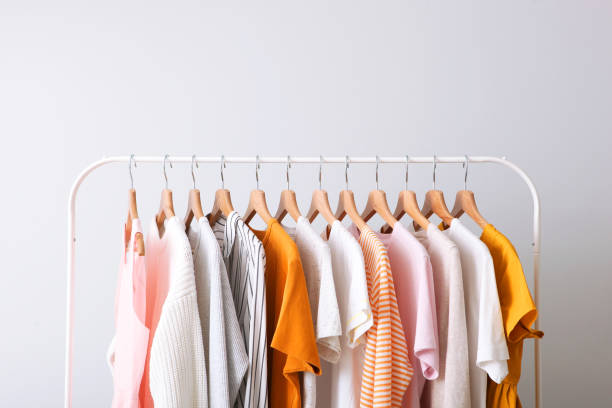
Keeping your wardrobe neat becomes much easier when you know how to fold sweaters properly. Many people struggle with overflowing closets because bulky sweaters take up unnecessary room throughout every season.
Proper folding not only creates additional storage space but also protects delicate fabrics from stretching. Sweaters retain their original shape longer when they are folded correctly instead of hanging on traditional hangers.
Whether you own lightweight cotton sweaters or thick wool pullovers, using the right folding method makes a noticeable difference. Small organizational habits can transform even the smallest wardrobe into a clean and efficient storage space.
This guide explains practical sweater folding techniques, storage ideas, and closet organization tips that help maximize available space while keeping your favorite sweaters wrinkle free and ready to wear.
Sweaters are usually made from soft materials that can stretch under their own weight. Hanging them for long periods often causes shoulder bumps and changes the original fit of the garment.
Folding supports the entire sweater evenly without putting pressure on specific areas. This simple habit helps preserve the fabric while extending the overall lifespan of your clothing collection.
Another benefit is improved closet organization. Folded sweaters stack neatly on shelves or inside drawers, allowing you to store more garments within the same amount of available space.
A well organized wardrobe also makes daily outfit selection faster. Instead of searching through crowded hangers, you can immediately find the sweater you need without creating unnecessary mess.
Always ensure your sweater is clean before placing it into storage. Dirt, body oils, and invisible stains may become harder to remove if they remain on the fabric for extended periods.
Lay the sweater on a clean flat surface such as a table or bed. Smooth out wrinkles gently with your hands to create an even surface before beginning the folding process.
Fasten buttons or zip closures whenever possible. Keeping sweaters closed helps maintain their original shape while creating cleaner folds that stack more evenly inside your closet.
Check pockets for small objects before folding. Forgotten items may leave permanent marks or stretch delicate fabrics during storage, especially when sweaters remain folded for several weeks.
Place the sweater face down on a flat surface and straighten both sleeves carefully. Remove wrinkles by gently smoothing the fabric with your palms before making the first fold.
Fold one side of the sweater toward the center while bringing the sleeve diagonally downward. Repeat the same process on the opposite side to create a neat rectangular shape.
Next, fold the bottom portion upward until it reaches the middle section. Depending on the sweater length, another fold may be needed to achieve a compact and balanced size.
Turn the folded sweater over carefully and place it on your shelf. Every sweater should have a similar size to create stable stacks that remain organized for longer periods.
Vertical storage is one of the most effective methods for maximizing available closet space. Standing folded sweaters upright inside drawers makes every item visible without disturbing the remaining stack.
Shelf dividers also help maintain organized piles. They prevent folded sweaters from leaning sideways while making your closet appear cleaner and easier to navigate throughout the week.
Storage bins provide another practical solution for seasonal clothing. Keeping off season sweaters inside labeled containers frees valuable shelf space for garments you currently wear more frequently.
Vacuum storage bags may work for thick winter sweaters during long term storage. However, avoid using them regularly because excessive compression may reduce the softness of certain natural fibers.
Many people fold sweaters immediately after wearing them without allowing moisture to dry. Damp clothing stored inside closets may develop unpleasant odors or encourage mildew growth over time.
Creating uneven folds makes sweater stacks unstable. Crooked piles collapse easily, causing unnecessary clutter that eventually reduces the efficiency of your storage system.
Overfilling shelves with too many sweaters places pressure on lower garments. This can create deep wrinkles while making it difficult to remove one sweater without disturbing the entire pile.
Ignoring fabric care instructions is another common mistake. Different materials require different storage approaches, so always review the garment label before long term closet organization.
Sorting sweaters according to season keeps your wardrobe practical throughout the year. Lightweight sweaters remain easily accessible while heavier winter pieces can be stored separately until needed.
Grouping similar fabrics together also improves organization. Wool, cashmere, cotton, and synthetic sweaters each have different care requirements that become easier to manage when stored collectively.
You can also organize sweaters by color to simplify outfit planning. Arranging neutral shades beside brighter colors creates an attractive wardrobe while reducing time spent choosing clothing.
Labeling storage containers provides additional convenience during seasonal changes. Clear labels help locate specific sweaters quickly without opening multiple boxes or rearranging every shelf.
Check stored sweaters every few weeks to ensure they remain clean and dry. Regular inspections help identify moisture, pests, or fabric issues before they become serious problems.
Natural pest repellents such as cedar blocks can help protect wool garments during long term storage. They provide gentle protection without exposing clothing to harsh chemical products.
Avoid placing heavy objects on top of folded sweaters. Excessive weight compresses fibers and creates stubborn creases that become difficult to remove before wearing the garment again.
Refreshing stored sweaters occasionally keeps fabrics feeling comfortable and looking presentable. A quick shake and gentle airing before use restores softness while removing any storage related odors.
Learning how to fold sweaters properly is a simple habit that creates lasting benefits for your wardrobe. Better folding techniques reduce clutter, protect fabrics, and maximize every inch of available closet space.
Consistent organization saves time during busy mornings while helping your clothing remain in excellent condition. With careful folding and smart storage practices, your sweaters will stay neat, accessible, and ready to wear throughout every season.

This post has been authored and published by one of our premium contributors, who are experts in their fields. They bring high-quality, well-researched content that adds significant value to our platform.












Home Guide provides trusted home improvement tips, DIY ideas, maintenance guides, and interior design inspiration to help you create a smarter, safer, and more beautiful home.