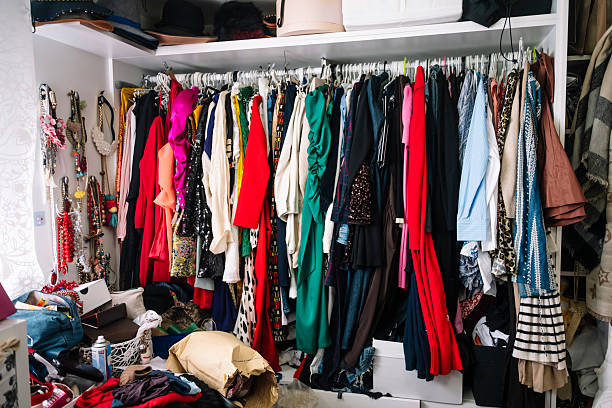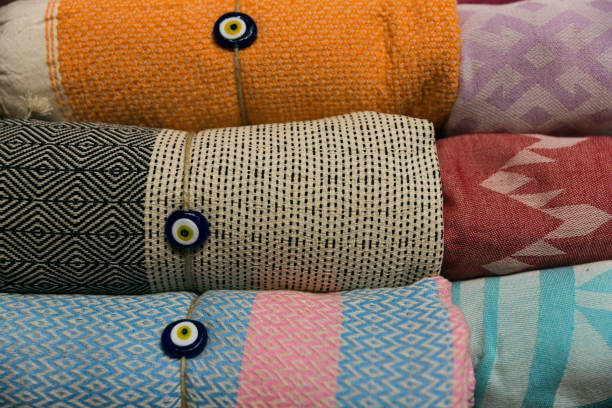
Taking proper care of your clothing helps maintain its quality, appearance, and lifespan. Different fabrics require different cleaning methods because each material has unique fibres that respond differently to water, heat, detergents, and storage conditions.
Learning the correct way to wash, dry, iron, and store cotton, linen, silk, and wool clothing prevents fading, shrinking, stretching, and fabric damage. With a few simple habits, you can keep your favourite garments looking fresh for many years.
This guide explains practical and easy fabric care techniques that anyone can follow at home. Whether you are caring for everyday clothing or expensive garments, these tips will help protect your wardrobe while reducing unnecessary replacement costs.
Cotton is one of the most commonly used fabrics because it is breathable, comfortable, and easy to maintain. Although durable, cotton can shrink if exposed to very hot water or high drying temperatures repeatedly.
Linen is made from natural flax fibres and is highly valued for its lightweight texture and cooling properties. While strong, linen wrinkles easily and benefits from gentle washing methods that preserve its natural appearance.
Silk is a delicate luxury fabric requiring extra attention during washing and drying. Harsh detergents and excessive rubbing can weaken silk fibres, making gentle handling essential for maintaining softness and shine.
Wool provides excellent insulation during colder months but can shrink quickly when exposed to hot water or aggressive washing. Proper cleaning techniques help preserve its softness, warmth, and natural elasticity.
Always read the garment care label before washing cotton clothes. Most cotton garments can be machine washed using cold or warm water with a mild detergent suitable for everyday fabrics.
Separate white and coloured cotton clothing before washing to avoid colour transfer. Washing similar colours together helps maintain brightness while reducing the risk of unwanted staining during the cleaning process.
Avoid overloading the washing machine because clothes need space for proper movement. Overcrowded loads create excessive friction that can wear fibres faster and reduce the overall lifespan of cotton garments.
Dry cotton clothing using low heat whenever possible. Removing garments promptly from the dryer reduces wrinkles and makes ironing easier while helping fabrics maintain their original shape and softness.
Linen clothing should be washed with cool or lukewarm water using a gentle washing cycle. Mild detergents help preserve the natural fibres while preventing unnecessary fading and surface wear.
Avoid twisting linen garments after washing because excessive wringing can distort the fabric. Instead, gently squeeze out excess water before laying the garment flat or hanging it to dry naturally.
Iron linen while it remains slightly damp because moisture makes wrinkle removal much easier. Using medium to high heat with steam creates smoother results without damaging the natural fibres.
Store linen clothing in a cool, dry wardrobe where air circulates freely. Proper storage helps prevent mildew, unpleasant odours, and unnecessary creasing between uses.
Silk garments should usually be hand washed using cold water and a detergent specially formulated for delicate fabrics. Gentle cleaning preserves the smooth texture and luxurious appearance of silk.
Never scrub or twist silk clothing during washing because the fibres become weaker when wet. Carefully move the garment through the water before rinsing thoroughly with clean cold water.
Lay silk garments flat on a clean towel after washing. Roll the towel gently to absorb moisture before allowing the clothing to air dry away from direct sunlight or strong heat sources.
Iron silk using the lowest recommended temperature while the garment remains slightly damp. Always iron on the reverse side to reduce shine marks and protect the delicate surface.
Wash wool garments by hand or use the wool cycle available on many modern washing machines. Cold water and gentle detergents specifically designed for wool deliver the safest cleaning results.
Avoid frequent washing because wool naturally resists dirt and odours. Airing garments after wearing often refreshes them without requiring a complete wash after every use.
Never hang heavy wet wool garments because the weight can stretch the fibres permanently. Instead, reshape the garment carefully and allow it to dry flat on a clean towel.
Store wool clothing folded instead of hanging. Using breathable storage bags and natural moth repellents helps protect garments during long periods of storage without trapping excess moisture.
Ignoring clothing care labels often leads to accidental damage. Manufacturers provide detailed instructions because different fabric blends require specific washing temperatures and drying methods.
Using too much detergent does not improve cleaning performance. Excess detergent leaves residue on fabrics, making clothes feel stiff while attracting additional dirt over time.
Drying delicate fabrics under direct sunlight for long periods can fade colours and weaken fibres. Choosing shaded drying areas provides better long term protection for most natural fabrics.
Using high ironing temperatures without checking fabric requirements may scorch delicate materials. Adjusting the iron according to each fabric type prevents permanent marks and unnecessary damage.
Clean clothing before storing it because stains become more difficult to remove over time. Fresh garments are also less likely to attract insects or develop unpleasant odours during storage.
Use padded hangers for delicate garments that benefit from hanging. Heavy knitted fabrics should remain folded to prevent stretching and maintain their original shape.
Keep wardrobes clean, dry, and well ventilated throughout the year. Moisture encourages mould growth, while poor airflow can cause fabrics to develop musty smells.
Natural storage products such as cedar blocks or lavender sachets help repel insects while keeping clothing fresh. These options provide gentle fabric protection without using strong chemical products.
Proper fabric care is one of the easiest ways to extend the life of your wardrobe. Cotton, linen, silk, and wool each require different cleaning and storage methods, but following the correct routine protects their quality and appearance.
Simple habits such as washing with suitable detergents, avoiding excessive heat, drying garments carefully, and storing them correctly make a noticeable difference over time. By understanding your fabrics and treating them with care, you can enjoy cleaner, fresher, and longer lasting clothing while reducing unnecessary replacement costs.

This post has been authored and published by one of our premium contributors, who are experts in their fields. They bring high-quality, well-researched content that adds significant value to our platform.












Home Guide provides trusted home improvement tips, DIY ideas, maintenance guides, and interior design inspiration to help you create a smarter, safer, and more beautiful home.