Many people believe they need to buy new clothes every season to improve their style. In reality, a well organized wardrobe often begins with the clothing pieces you already own. Learning how to make the most of existing items saves money while helping you create a timeless personal style.
A functional wardrobe focuses on versatility, comfort, and practicality instead of following every fashion trend. When every clothing item has a purpose, getting dressed becomes quicker and less stressful. You also reduce unnecessary purchases that often remain unworn for months.
Building a wardrobe from your current collection encourages mindful shopping habits. Instead of constantly adding new pieces, you discover creative outfit combinations that make your existing wardrobe feel fresh and exciting. This approach benefits both your budget and your confidence.
Whether your wardrobe is large or small, every closet has hidden potential. With careful organization, thoughtful styling, and smart planning, you can create outfits suitable for work, casual outings, special occasions, and every season without replacing your entire collection.
The first step toward a functional wardrobe is removing clothing that no longer fits your lifestyle. Separate items you regularly wear from those that have remained untouched for a long period. This process creates more space and clarity.
Evaluate every clothing item honestly by checking its condition, comfort, and usefulness. If something no longer fits properly or makes you feel uncomfortable, consider donating, recycling, or storing it elsewhere instead of keeping unnecessary clutter.
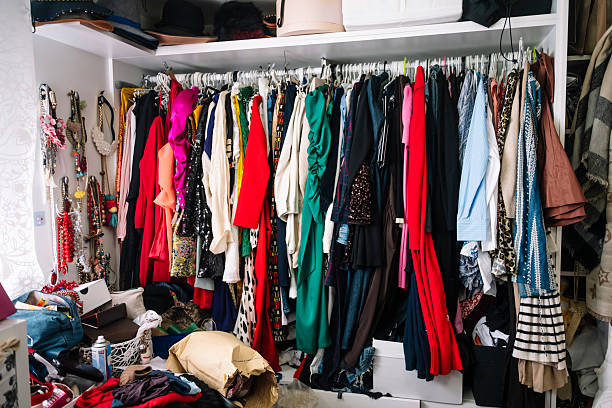
Organize the remaining clothes into categories such as tops, bottoms, dresses, jackets, and accessories. Grouping similar pieces together allows you to see exactly what you own and prevents duplicate purchases in the future.
Decluttering also highlights wardrobe gaps. You may discover you already own several black trousers but only one everyday shirt. Understanding these patterns helps you make smarter clothing decisions whenever you shop again.
A functional wardrobe relies on versatile basics that can be mixed with multiple outfits. Look for neutral coloured shirts, comfortable jeans, classic trousers, simple dresses, lightweight jackets, and everyday footwear already hanging in your closet.
Choose clothing pieces that match your daily routine. Someone working in an office needs different essentials than someone working remotely. Your wardrobe should support your lifestyle rather than follow someone else's fashion preferences.
Pay attention to colours that naturally work together. Neutral shades such as black, white, navy, beige, and grey easily combine with brighter colours, making outfit planning much simpler every morning.
Accessories also play an important role. Belts, scarves, handbags, watches, and jewellery can completely transform familiar outfits. These smaller details increase outfit variety without requiring additional clothing purchases.
One of the easiest ways to refresh your wardrobe is by experimenting with different clothing combinations. Pair items you have never worn together before and discover surprisingly stylish results that suit various occasions.
Layering adds depth and versatility to outfits throughout the year. A lightweight cardigan over a simple shirt or a jacket over a dress creates fresh looks while extending seasonal clothing usage.
Take photos of outfit combinations you enjoy wearing. Creating a personal outfit gallery makes future dressing easier and reduces the time spent deciding what to wear each morning.
Challenge yourself to wear one favourite clothing item in five different ways. This simple exercise encourages creativity while proving that versatile pieces provide excellent value within any wardrobe.
After creating a functional wardrobe, focus on maintaining it rather than filling it with unnecessary purchases. Before buying anything new, consider whether it complements several existing clothing items in your collection.
Quality should always take priority over quantity. Durable fabrics and timeless designs remain useful for years, making them a better investment than fast changing fashion trends that quickly lose their appeal.
Regularly review your wardrobe every few months. Seasonal changes provide the perfect opportunity to reorganize clothing, remove damaged items, and rediscover forgotten favourites that deserve more attention.
Building a functional wardrobe is an ongoing habit rather than a one time project. By appreciating what you already own, planning outfits thoughtfully, and shopping with purpose, you create a stylish, organized wardrobe that supports your everyday lifestyle.
Creating a functional wardrobe does not require expensive shopping trips or complete closet makeovers. Most people already own enough clothing to build stylish and practical outfits for different occasions with careful planning and organization.
By decluttering regularly, identifying versatile essentials, experimenting with outfit combinations, and maintaining mindful shopping habits, you can enjoy a wardrobe that feels fresh every day while saving both money and valuable storage space.
A thoughtful wardrobe reflects your personality, supports your daily routine, and reduces unnecessary stress when getting dressed. Small improvements made consistently lead to lasting benefits and greater confidence in your personal style.
Start today by opening your wardrobe with a fresh perspective. You may be surprised to discover that everything needed for a functional, fashionable, and versatile wardrobe is already waiting inside your closet.

This post has been authored and published by one of our premium contributors, who are experts in their fields. They bring high-quality, well-researched content that adds significant value to our platform.












Home Guide provides trusted home improvement tips, DIY ideas, maintenance guides, and interior design inspiration to help you create a smarter, safer, and more beautiful home.