Delicate fabrics require extra attention because they are more fragile than everyday clothing materials. Proper washing techniques help maintain their softness, appearance, and durability while preventing unnecessary wear, fading, stretching, or shrinking over time.
Many people avoid washing delicate garments at home because they worry about ruining expensive clothing. However, understanding the right methods makes home care both safe and convenient while reducing professional cleaning costs.
Using gentle products, suitable water temperatures, and careful handling protects delicate materials throughout the cleaning process. Every small step contributes to preserving the original texture, colour, and shape of your favourite garments.
This guide explains practical techniques for washing delicate fabrics at home safely. Following these simple recommendations will help your delicate clothing remain beautiful, comfortable, and wearable for many years.
Not every delicate fabric responds the same way to water and detergent. Silk, lace, chiffon, satin, cashmere, and wool all require slightly different care methods for the best cleaning results.
Reading the clothing care label before washing is one of the most important habits. Manufacturers provide detailed instructions that help prevent accidental damage during washing or drying.
Natural fibres often require gentler treatment than synthetic alternatives because they absorb water differently. Understanding the characteristics of each material improves cleaning effectiveness while protecting fabric quality.
Knowing what your garment is made from allows you to select the safest washing method. Proper fabric identification reduces mistakes and extends the life of valuable clothing items.
Always inspect delicate garments before placing them in water. Look for stains, loose threads, missing buttons, or damaged stitching that may worsen during the washing process.
Fasten hooks, buttons, and zippers before washing to reduce friction between garments. This simple habit helps prevent snagging, stretching, and unnecessary fabric damage throughout the cleaning cycle.
Separate delicate clothing from heavier garments like jeans, towels, or jackets. Washing lightweight fabrics separately minimises friction and keeps their texture smooth and attractive after cleaning.
Turn garments inside out before washing whenever possible. This protects decorative details, embroidery, beads, and printed designs from unnecessary contact with water and detergent during cleaning.
Selecting a mild detergent designed for delicate fabrics makes a significant difference. Harsh cleaning chemicals may weaken fibres, reduce softness, and cause fading after repeated washing sessions.
Cold or lukewarm water usually works best for delicate garments. Hot water may shrink natural fibres, weaken elastic materials, and permanently damage certain sensitive fabrics like silk and wool.
Avoid using excessive detergent because residue may remain trapped within delicate fibres. A small amount of gentle detergent cleans effectively while rinsing away more easily after washing.
Fabric softeners are not suitable for every material. Some delicate fabrics maintain their natural softness without additional products, making careful label reading especially important before adding laundry treatments.
Hand washing remains one of the safest methods for cleaning delicate garments at home. Gentle movements remove dirt while preventing excessive stretching, twisting, or fibre damage during washing.
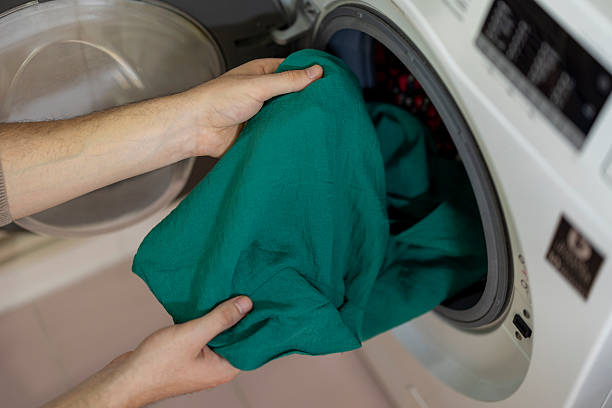
If using a washing machine, always select the delicate or gentle cycle. Lower spin speeds reduce mechanical stress and protect fragile materials from unnecessary movement inside the drum.
Placing garments inside mesh laundry bags provides another layer of protection. These bags reduce friction and help preserve lace, embroidery, and lightweight fabrics throughout the washing cycle.
Never scrub delicate fabrics aggressively to remove stains. Gentle soaking followed by careful rubbing with fingertips usually produces better results without harming the material's structure.
Drying delicate garments correctly is just as important as washing them. Incorrect drying methods often cause shrinking, stretching, fading, or permanent changes in fabric shape and texture.
Avoid wringing garments to remove excess water. Instead, gently press water out using a clean towel before laying clothing flat to dry in a shaded, well ventilated location.
Direct sunlight may fade colours and weaken sensitive fibres over time. Air drying indoors or in indirect sunlight helps maintain fabric appearance while reducing unnecessary environmental exposure.
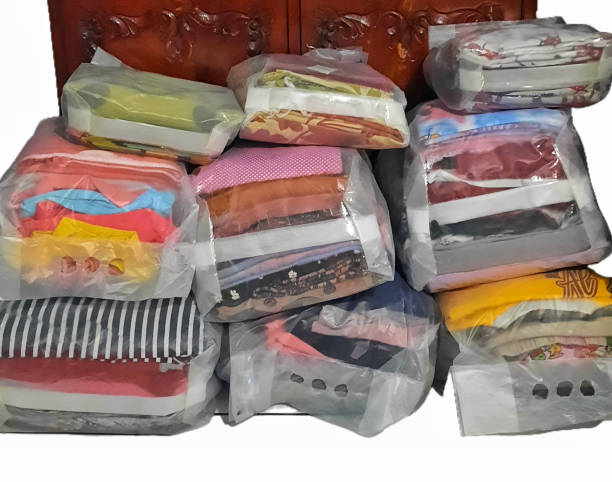
Store delicate garments carefully after they are completely dry. Folding knitwear prevents stretching, while padded hangers support lightweight dresses and blouses without creating unwanted shoulder marks.
Ignoring care labels often leads to preventable damage. Following manufacturer recommendations remains the easiest way to protect clothing while achieving effective cleaning results at home.
Using bleach on delicate fabrics may permanently weaken fibres and remove colour. Gentle stain removers specifically designed for delicate materials provide a much safer cleaning alternative.
Overloading the washing machine increases friction between garments. Giving delicate clothing enough space allows water and detergent to circulate freely while reducing unnecessary fabric wear.
Skipping proper rinsing may leave detergent residue behind. Thorough rinsing keeps fabrics soft, comfortable, and free from irritating chemicals that could affect sensitive skin.
Learning how to wash delicate fabrics at home is easier than many people expect. Careful preparation, gentle detergents, proper washing methods, and correct drying techniques all contribute to better clothing care.
Taking a few extra minutes during laundry helps preserve valuable garments for years. Consistent fabric care maintains softness, colour, shape, and overall appearance while reducing replacement costs.
Every delicate garment deserves attention that matches its material and construction. Following these simple practices protects clothing investments and ensures they remain comfortable for many future occasions.
By making gentle fabric care part of your regular laundry routine, you can confidently clean delicate clothing at home while maintaining its beauty, quality, and long lasting performance.

This post has been authored and published by one of our premium contributors, who are experts in their fields. They bring high-quality, well-researched content that adds significant value to our platform.












Home Guide provides trusted home improvement tips, DIY ideas, maintenance guides, and interior design inspiration to help you create a smarter, safer, and more beautiful home.