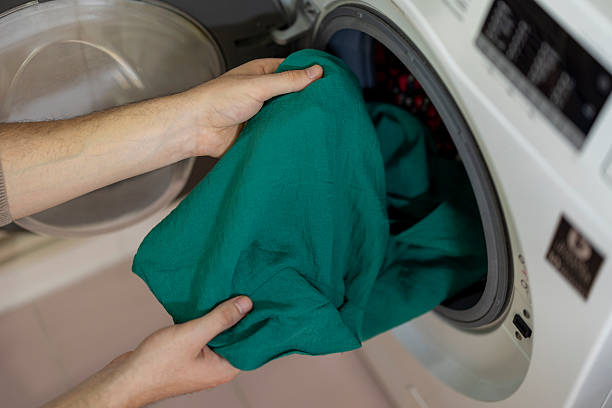
White clothes always look fresh, stylish, and elegant. However, keeping them bright over time can become challenging. Frequent washing, sweat, stains, and hard water often leave white fabrics looking dull or yellow. Many people rely on bleach to restore whiteness, but regular bleach use can weaken fabric fibres and reduce the lifespan of clothing.
Fortunately, there are safer and more natural ways to maintain the brightness of your favourite white garments. With the right washing habits and household ingredients, you can protect your clothes while keeping them looking fresh.
This guide shares practical tips that are easy to follow and suitable for everyday laundry routines. Whether you are caring for white shirts, bedsheets, towels, or school uniforms, these methods can help preserve their clean appearance without using bleach.
One of the simplest ways to keep white clothes bright is by washing them separately. Mixing white garments with coloured clothing increases the chance of colour transfer. Even light coloured fabrics can release dyes during washing, causing white clothes to lose their original brightness over time.
Creating separate laundry loads also allows you to choose the best washing settings for white fabrics. Whites often benefit from warmer water and specialised detergents that may not be suitable for darker colours. This helps improve cleaning performance while protecting the fabric.
Sorting clothes according to fabric type is equally important. Cotton, linen, and delicate materials all require different care. Washing similar fabrics together reduces friction and prevents unnecessary wear during the cleaning process.
Making sorting a regular habit takes only a few extra minutes but delivers noticeable results. Your white garments will stay cleaner, brighter, and in better condition after every wash.
Baking soda is a popular household ingredient known for its gentle cleaning abilities. Adding a small amount to your washing machine helps remove dirt, reduce odours, and naturally brighten white fabrics without causing damage.
The mild alkaline properties of baking soda improve detergent performance. It softens water, allowing cleaning agents to work more effectively while lifting stains and residue from clothing fibres during the wash cycle.
It also helps eliminate unpleasant smells caused by sweat or moisture. Instead of masking odours with strong fragrances, baking soda neutralises them, leaving clothes feeling naturally fresh after every wash.
Using baking soda regularly is an affordable and environmentally friendly way to maintain white clothing. It supports cleaner laundry while extending the life of delicate fabrics.
White vinegar works as an excellent natural fabric cleaner and softener. It helps remove detergent buildup that often causes white clothes to appear dull after repeated washing.
Adding vinegar during the rinse cycle softens fabrics without leaving a strong smell. Once clothes dry, the vinegar odour disappears completely, leaving garments fresh and comfortable to wear.
Mineral deposits from hard water can also affect fabric brightness. Vinegar dissolves these deposits, allowing white clothes to regain their natural appearance while improving overall softness.
Using vinegar once every few washes keeps laundry looking cleaner without relying on harsh chemicals. It is a simple habit that supports healthier fabric care.
Not all detergents are designed for white clothing. Choosing a detergent specifically formulated for white fabrics helps remove stains while maintaining brightness after repeated washing.
Quality detergents contain ingredients that break down grease, body oils, and everyday dirt more efficiently. Cleaner fabrics naturally appear brighter because residue does not remain trapped inside the fibres.
Using the correct detergent amount is equally important. Too much detergent leaves behind residue, while too little may fail to clean clothes properly. Following product instructions gives the best washing results.
Selecting a reliable detergent combined with proper washing techniques creates long lasting brightness without the need for bleach or strong chemical products.
Fresh stains are much easier to remove than older ones. Allowing stains to sit for several days increases the chance of permanent marks that become difficult to clean naturally.
Treat stained areas immediately using mild soap or a natural stain remover. Gently rubbing the affected area before washing helps loosen dirt without damaging the fabric.
Avoid using excessive force when scrubbing delicate materials. Gentle cleaning protects fabric fibres while improving stain removal effectiveness during the washing cycle.
Quick stain treatment prevents permanent discolouration and helps white garments maintain a clean appearance for much longer.
Sunlight acts as a natural whitening agent for many fabrics. Drying white clothes outdoors allows sunlight to brighten garments while helping remove lingering odours.
Fresh air also reduces moisture more effectively than enclosed indoor spaces. Proper drying prevents mildew growth that may create unpleasant smells or yellow patches on clothing.
Avoid leaving clothes under direct sunlight for extremely long periods. Excessive exposure may weaken certain fabrics, especially lightweight or delicate materials over time.
Moderate sun drying provides a safe and natural way to maintain bright white clothing without relying on chemical whitening products.
Filling the washing machine beyond its recommended capacity reduces cleaning performance. Clothes need enough room to move freely so water and detergent can reach every part of the fabric.
When garments are tightly packed together, dirt and detergent residue often remain trapped inside the fibres. This gradually causes white clothes to lose their fresh appearance.
Smaller laundry loads also reduce friction between garments. Less rubbing helps prevent fabric damage while keeping clothes smoother and looking newer for longer.
Allowing enough washing space improves stain removal, rinsing, and overall fabric care with every laundry cycle.
Proper storage plays a major role in keeping white clothes bright between uses. Always ensure garments are completely dry before placing them inside wardrobes or storage boxes.
Damp clothing encourages mould and mildew growth, leading to unpleasant smells and stubborn yellow stains that are difficult to remove later.
Store white garments in cool, dry places with good airflow. Avoid plastic bags that trap moisture and create conditions for fabric discolouration.
Regularly checking stored clothing keeps fabrics fresh and prevents dust or moisture from affecting their appearance during long term storage.
Waiting too long between washes allows sweat, oils, and dirt to settle deeply into fabric fibres. These substances gradually cause white clothing to become dull and yellow.
Regular washing removes fresh dirt before it becomes permanent. Clean fabrics require less aggressive treatment, helping preserve both colour and material strength.
Always follow the care label instructions provided by the clothing manufacturer. Proper water temperature and washing methods reduce unnecessary fabric wear.
Consistent laundry routines help white garments stay cleaner, brighter, and more comfortable to wear throughout the year.
Keeping white clothes bright without bleach is easier than many people think. Simple habits like sorting laundry, using baking soda, washing with vinegar, treating stains quickly, and drying clothes naturally can produce excellent results. These gentle methods protect fabrics while maintaining their fresh appearance for longer.
By following these practical tips regularly, you can extend the life of your white clothing and reduce the need for harsh chemicals. A consistent laundry routine will help your favourite white garments remain clean, bright, and ready to wear every day.

This post has been authored and published by one of our premium contributors, who are experts in their fields. They bring high-quality, well-researched content that adds significant value to our platform.












Home Guide provides trusted home improvement tips, DIY ideas, maintenance guides, and interior design inspiration to help you create a smarter, safer, and more beautiful home.